

Q3 PR trends 2026: hot topics and angles worth pitching
Somewhere around late July, the press quietly changes gear.
The sun-lounger content starts to thin out, and editors, even the ones still writing about heatwaves, are already thinking two, three, sometimes six months ahead. If you know where their attention is heading before your competitors do, you get first crack at the coverage.
That's the real value of quarterly PR planning. It's not about reacting to what's already trending, it's about knowing what's coming and staying one step ahead.
Q3 is a quarter of two speeds
Online titles are generally speaking living in the present tense, chasing whatever's happening right now rather than planning weeks ahead.
Short-lead press moves a little slower than that but is still working close to real time (depending on whether it’s a daily or weekly print title), covering the next few months.
Long-lead magazines are the opposite: they're already deep into their October to February issues, which means autumn/winter fashion, home and gifting features are being locked in months before anyone else is even thinking about jumpers.
Miss that long-lead window and you've missed the biggest seasonal features entirely, not because your product wasn't right, but because you pitched it after the page was already filled.
Not all press works on the same clock
It helps to know exactly who you're pitching and how far ahead they're thinking:
Long-lead print (monthly magazines like ELLE UK, Country Living or House & Garden) works three to five months ahead.
Short-lead print (weekly titles like Grazia or The Sunday Times Style) works two weeks to two months ahead.
Daily print (newspapers like the Guardian or Daily Mail) works one day to two weeks ahead.
Online (daily digital titles like Daily Mail or Refinery29) works one day to one month ahead.
The wider the gap between when you pitch and when a piece runs, the more seasonal and forward-looking your angle needs to be.
Pitch a monthly magazine with something timely for next week and you'll miss the window.
Pitch a daily paper with something six months out and it won't land either.
Where editorial attention is heading this quarter
Broadly, Q3 coverage tracks a shift from the tail end of summer living into early autumn habits, and for the titles working further out, the first stirrings of festive planning and looking ahead to the new year.
A few of the bigger currents worth knowing about:
The "reset" moment. September functions almost like a second January for a lot of readers: new routines, new goals, a fresh start after summer. Editors know this and lean into it hard, which creates an opening for anything routine, habit or organisation related.
Dressing for in-between weather. Not quite autumn, not quite summer. This transitional stretch is a recurring press theme every year, and it's less about a full wardrobe overhaul than about the handful of pieces that bridge the gap.
Turning inward, literally. As evenings draw in, home focused content picks up: how people gather, how they light a room, how they make a space feel less bare. It's a theme that spans hosting, interiors and comfort led lifestyle content alike.
Cultural moments doing a lot of the heavy lifting. A handful of big TV returns and annual events give journalists a built-in hook they can hang a shopping story on, which means brands with the right product can ride in on someone else's headline.
Long-lead is already thinking about Christmas. If your brand does gifting, the pitching window for the biggest festive features is now, not November.
Reactive PR still matters just as much
None of the above replaces the need to move fast when something breaks.
A festival dominating headlines, a beloved show returning to screens, the clocks going back: these are the moments that reward brands who can turn a pitch around quickly rather than waiting for the "right" planned slot.
The strongest Q3 approach usually blends both, a steady drip of proactive, seasonally timed pitches, plus the agility to jump on what's suddenly trending.
Not every hook lands the same way
One thing that trips brands up: the same seasonal theme needs a different angle depending on who you're pitching.
Regular shopping pitch. Products are curated and timely, often matching seasonal demand or editorial trends. This wants something punchy and immediate. More on regular shopping pitching here.
Round-up pitch. Usually online, sometimes using affiliate links, this format compares similar products with an honest write-up. It wants variety and relevance. More on round-up pitching here.
Expert pitch. Written by journalists who source other contributors for the article, and sometimes including images supplied by the brand. This wants insight and credibility. More on expert pitching here.
Sending the same generic pitch to all three is usually why it goes nowhere.
Where to start
If you take one thing from this: don't just look at your bestsellers when Q3 planning comes around. Go through your full range and see what actually ties into the themes editors are already working on. Then pick one or two angles you can genuinely own. Most brands have more of a story to tell than they think, they just haven't framed it yet.
If sustainability is core to your brand story, sustainable brand PR support can help you find the right angle and the right journalists to pitch it to this quarter.
Take your Q3 PR
planning further
Want to know what the UK press wants, before they even ask?
Our insider Q3 press forecast, created by our team of PR experts, reveals what editors are planning, the stories they’ll be covering and how to secure a spot in the conversation.
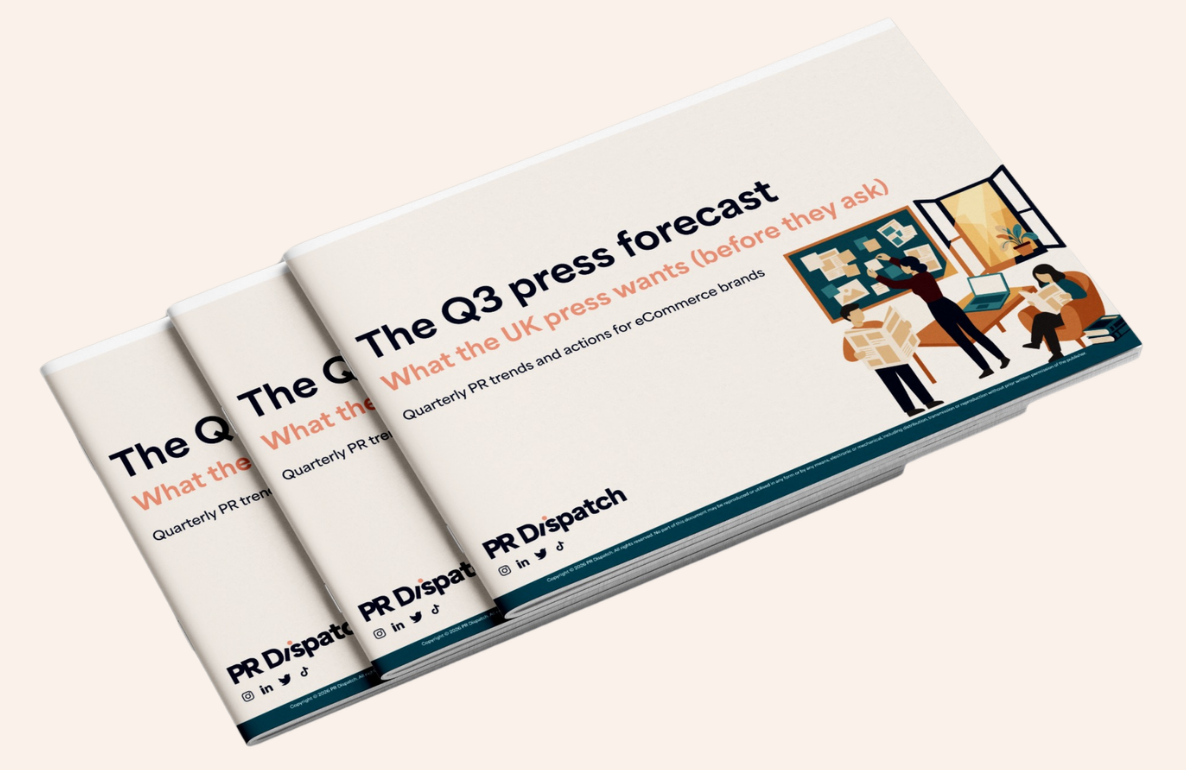
Sign up for our free Q3 Press Forecast and get even more seasonal topics, awareness days and hook examples.