

How to get featured in Startups Magazine with Anna Wood
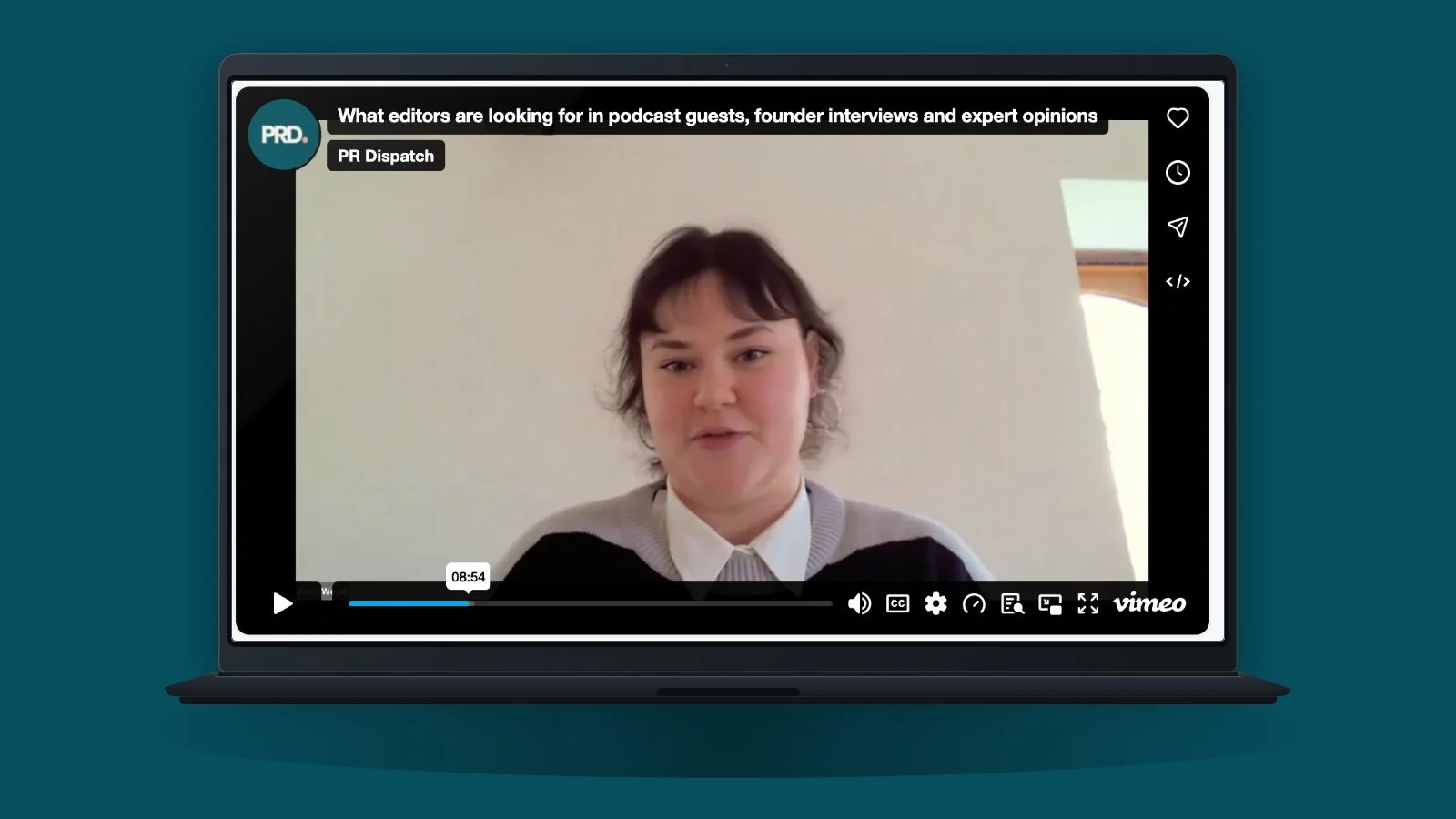
If you've ever wondered exactly what it takes to land a spot in Startups Magazine, get quoted as an expert, or be booked on a business podcast, we went straight to the source. We sat down with Anna Wood, former Editor of Startups Magazine and host of The Cereal Entrepreneur podcast, for a live session on what editors are really looking for in podcast guests, founder interviews, and expert opinions.
Here's everything founders and brands need to know about pitching Startups Magazine, standing out for podcast bookings, and positioning yourselves as industry experts, straight from the editor's desk.
How expert voices end up on Anna's radar
Before you can pitch successfully, it helps to understand how editors actually find the people they feature. According to Anna, it comes down to a few consistent things:
Visible opinions on LinkedIn. Founders who share their views regularly are more likely to be remembered when an editor needs a comment fast.
Direct pitches tied to a live news moment. When something big happens in an industry, such as a Budget announcement or a regulation change, journalists' inboxes fill up almost instantly with people offering comments.
Existing relationships. People Anna has met at events, spoken to before, or built a rapport with over time are often her first call when she needs a quick, reliable comment.
Speed matters more than most founders realise. For breaking news, Anna said the window is tight:
"A comment within the first two to three hours... even three is a bit of a push."
Miss that window, and the story has usually already gone to print elsewhere.
If you've missed the initial cycle, don't give up though. Anna noted that publications will often revisit a topic a week or so later with an "industry reacts" style piece, which is a second chance to weigh in.
How to actually position yourself as an expert
If you want journalists and editors to think of you when they need a comment, the work has to happen before the pitch. Anna's advice for founders and brands boils down to consistent visibility, not one-off outreach:
Post on LinkedIn regularly. Every editor Anna's team has spoken to on this topic has said the same thing: LinkedIn is where they scout voices and take the temperature of what founders are talking about.
Anticipate predictable news moments. Recurring events like the Budget happen every year. Decide in advance what your angle would be, so you're ready to comment the moment it lands, rather than scrambling afterwards.
Don't wait to be discovered. Anna is genuinely open to email pitches and even phone calls from founders who want to introduce themselves, well before there's a specific story to comment on.
Build the relationship, not just the pitch. Even if there's no immediate opportunity, being on an editor's radar means you're the first name they think of when the right story comes along.
Her closing line on this sums it up well: if you're doing it, you're an expert, talk about it, and position yourself as one.
What makes a pitch for The Cereal Entrepreneur podcast stand out
Startups Magazine's podcast, The Cereal Entrepreneur, features a mix of founders, investors, and business coaches. Anna said two things consistently make a pitch stand out:
An interesting story, whether that's rapid growth, a later-in-life pivot, starting a business as a teenager, or overcoming a genuinely hard chapter.
Real experience and lessons to share, particularly for guests who aren't founders themselves. Investors and coaches earn their spot through insight, not headlines.
One tip that catches a lot of founders out: don't hold back your best material for the interview itself. Anna described guests who deliver an incredible story mid-recording that never appeared anywhere in their original pitch.
Her advice is to lead with it: the strongest, most specific detail about your journey is exactly what should be in the pitch, not saved for later.
The one mistake to avoid: treating the pitch like a sales pitch. Anna was clear that she steers away from founders who lead with their product or company rather than their story:
"By telling your story, people will be interested anyway."
The product or innovation still comes up naturally in the conversation, but it works best as a supporting detail, not the headline.
What makes an interview flow well
Once you've landed the booking, how you prepare matters more than you might think. Anna's advice here might surprise founders who assume more prep is always better:
Don't over-prepare. Heavily scripted answers tend to sound stiff, and Anna said it's often obvious when a guest has memorised responses rather than simply knowing their own story.
A few key points are enough. Keep a short list of things you want to make sure you mention, but avoid writing out full answers in advance.
Questions in advance are available if you want them. Anna is happy to share them ahead of a recording, though the conversation may naturally go elsewhere.
Being natural beats being polished. Listeners (and editors) can tell the difference between a genuine conversation and a rehearsed one, and it's the former that tends to land well.
Looking ahead to 2026: what Anna wants to cover
For founders planning where to focus their pitching energy, Anna shared a clear steer on the themes and stories she's especially keen to explore:
AI, from every angle. Whether that's AI-driven products, how AI is reshaping a specific business, or how founders are adopting it day-to-day, this remains a consistent, ongoing theme.
Unconventional growth stories. Journeys that break the usual founder narrative, including businesses that have deliberately stayed small to avoid burnout, or founders who took an extended break from marketing and came back stronger.
Wellbeing, work-life balance, and HR. Confirmed as the focus of Startups Magazine's upcoming March/April issue, with submissions already open.
Sustainability, including supply chain angles. Anna noted the value of finding a fresh angle within a well-covered topic area, rather than repeating what's already been said.
The full founder spectrum. From very early-stage, just-out-of-university founders to household-name businesses, and everything in between, including side hustles, second attempts after an earlier business failure, and niche or unconventional retail stories.
Startups Magazine plans its editorial calendar roughly a year ahead, so getting a pitch in early, even for an issue that's months away, significantly improves your odds.
How to pitch startups press titles or podcasts
If you've got a story that fits any of the above, here's how to actually get it in front of the right people:
Connect directly with editors and podcast hosts on LinkedIn. Many are genuinely open to introductions from founders, even before there's a specific story to pitch.
Pitch by email, whether that's a couple of lines outlining your idea or a full draft article. Both are usually welcome.
Lead with your story, not your product. Be specific about what makes your journey interesting, rather than generic about your industry position.
Don't assume your business is "too niche" or "too established." Most startup and business titles cover everything from brand-new founders to businesses decades into their journey, provided there's a real story or lesson to share.
As Anna put it herself: don't be afraid to reach out. The press need founders' stories just as much as founders need the coverage.
Know you've got a story, but not sure how to pitch it?
PR Dispatch Pro gives you the press contacts, pitching tools and expert support to nail your pitch and get it in front of the right editors.
Start your free 24-hour trial today.