

PR and AI shopping: What eCommerce and product brands need to know
AI is changing the way people shop, and it’s happening faster than most brands realise.
Customers aren’t scrolling through pages of Google links anymore; they’re asking tools like ChatGPT, Perplexity and Google’s AI Overviews to do the heavy lifting for them.
If you want to stay visible, your content needs to show up in this new world of generative search.
For eCommerce and product brands, this shift is huge. It’s changing how people discover you, compare options and decide what to buy.
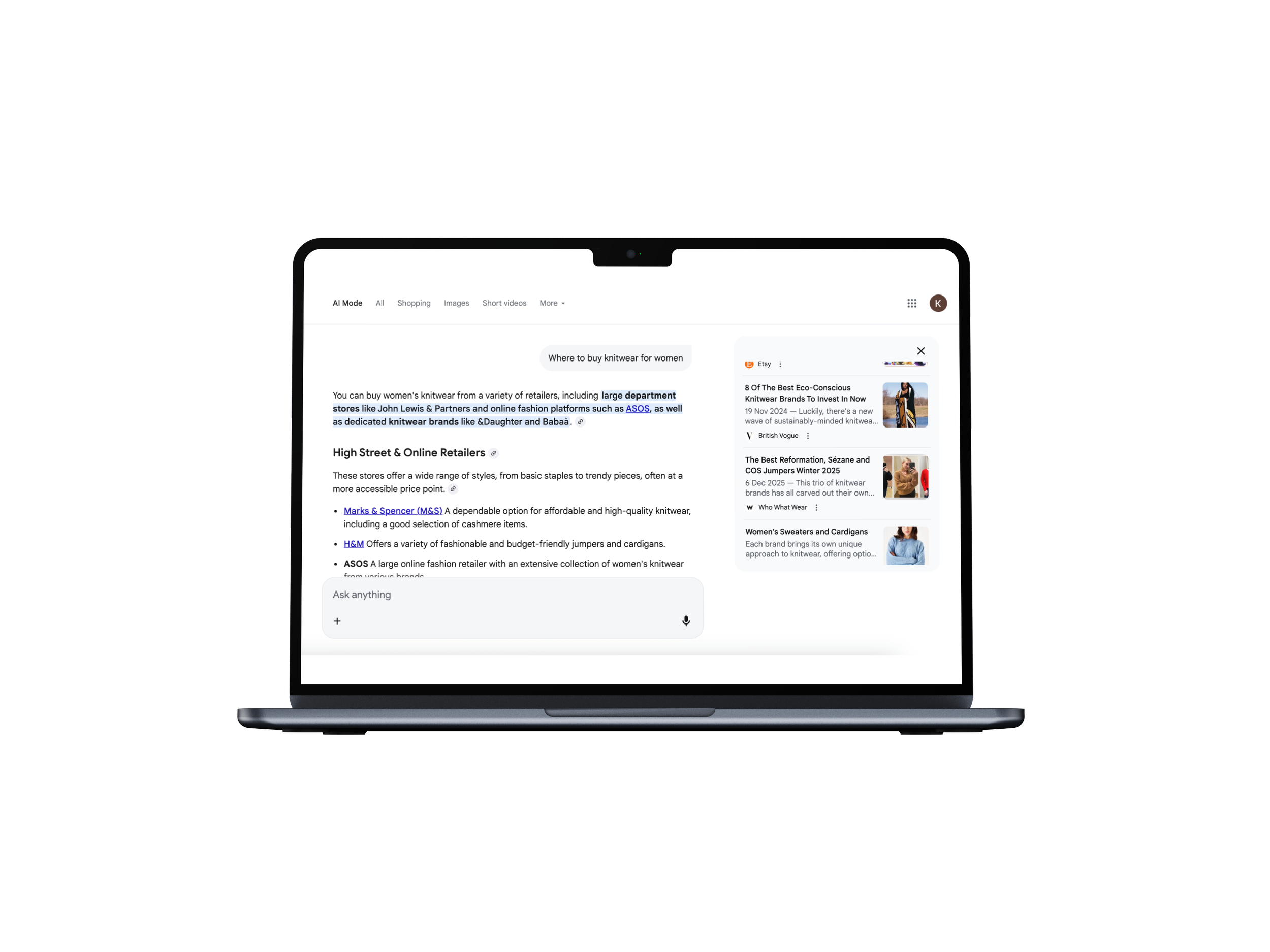
GSV vs GEO – what’s the difference?
Generative Search Visibility (GSV) measures how well your brand appears in AI-generated answers across tools like ChatGPT, Google AI Overviews, or Perplexity. It’s all about being visible to AI so it can recommend your products or brand in response to customer questions.
Generative Engine Optimisation (GEO) is the approach brands use to improve that visibility. It’s like SEO for AI: making sure your content, PR coverage, product info, and expert mentions are structured, accurate and credible so AI can find and understand your brand.
In short: GSV is the visibility you get in AI tools, and GEO is how you make it happen. Both are crucial for brands that want to be discovered by AI-first shoppers.
AI is becoming the first touchpoint
When a shopper asks an AI tool something like “best gifts for under £50” or “skincare for sensitive skin,” the tool pulls answers from across the internet, summarises, ranks and recommends — all in seconds.
If your brand hasn’t appeared in trusted articles, gift guides, expert recommendations or reviews, AI won’t have data to work with. In other words, if you’re invisible online, you’re invisible to AI.
Because AI rewards what others say about you.
And here’s why this matters more than ever: the 2025 AI Shopping Index from Klaviyo shows that 80% of UK shoppers already use AI tools to browse or research products, and 70% expect AI shopping assistants to be a normal part of buying by 2026.
People are discovering products in new ways, and if your brand isn’t visible to AI, you could be missing out.
PR is now a key data source for AI
AI relies on earned media when deciding which products to show consumers. This includes online shopping galleries, podcast mentions, interviews, reviews and any trusted third-party features. If your brand isn’t appearing on credible sites next year, it won’t appear in AI answers either.
In fact, MuckRack found that up to 89% of AI citations come from earned media, which is exactly why your PR activity matters more than ever.
This also suggests that AI prioritises context, not quantity (source: Search Engine Land).
As Bryan Long, Executive Communications Strategist at Jackson Spalding says:
“Tools like Gemini, Perplexity, and ChatGPT are synthesizing what the internet says about you, and if your story isn’t told clearly by credible sources, the model will either skip you or get it wrong.”
When you secure coverage in places like:
Gift guides
Product roundups
Expert recommendations
Founder interviews
Niche publications (more on that below).
…you’re feeding AI the information it relies on to identify you as a credible option.
Think of PR as SEO for AI.
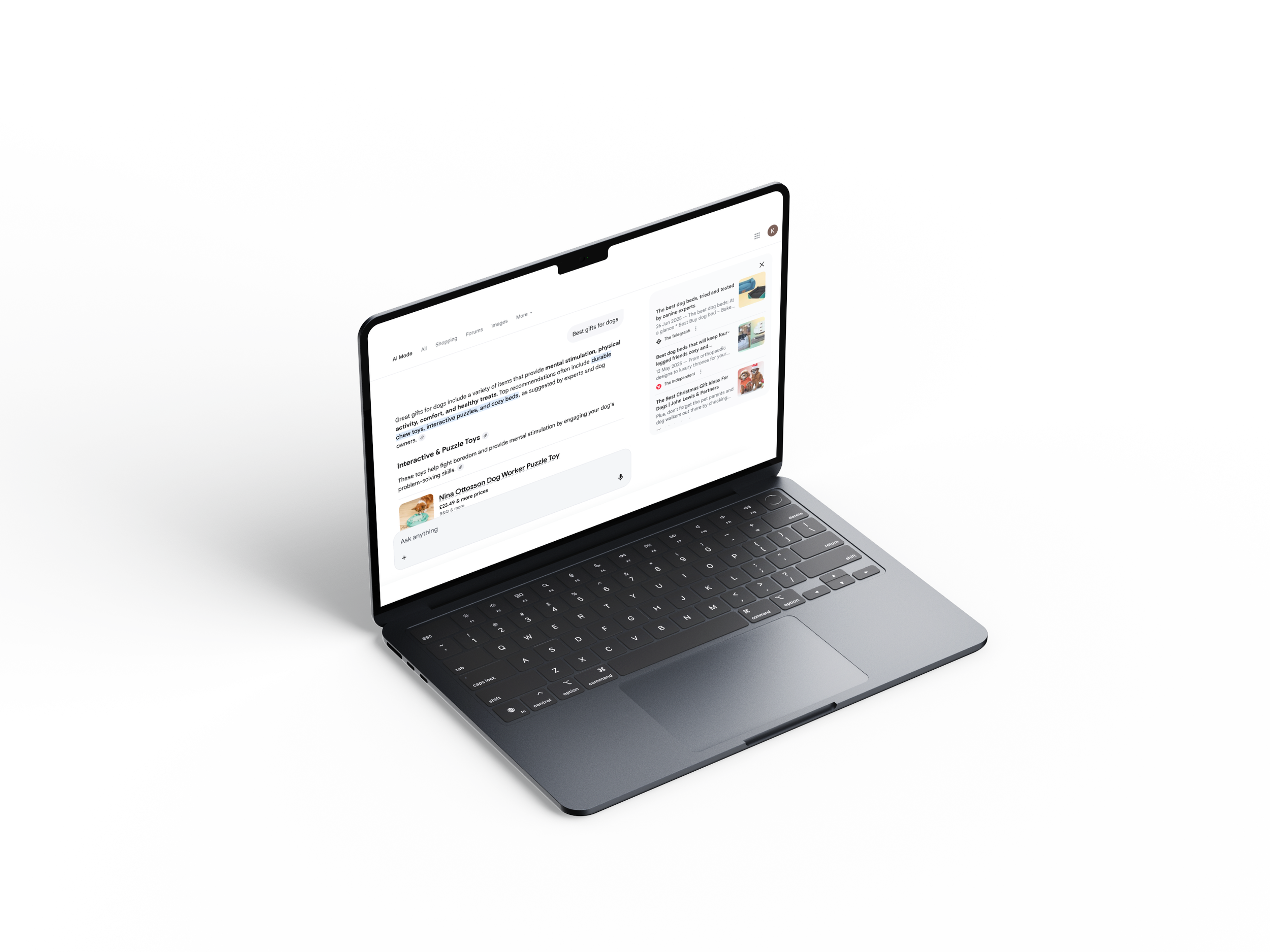
Niche media matters
According to new insights from Muck Rack, AI tools don’t just pull from big national publications and magazines; they actually reward niche, industry-specific content.
Search is becoming a conversation, not a list
Traditional SEO is, of course, still useful, but it’s no longer the whole picture.
Shoppers are moving to conversational search — “What should I buy for a new baby?” or “Which candle brand lasts the longest?”
AI tools don’t respond with a list of 20 blue links. They respond with a confident, curated answer. Brands that want to appear in those answers need two things:
Clear, trustworthy digital signals — PR coverage, consistent messaging, expert quotes, strong product press.
Structured, accurate product information — AI scrapes widely and expects clarity.
If your product isn’t clearly explained online, AI can’t understand it and won’t recommend it.
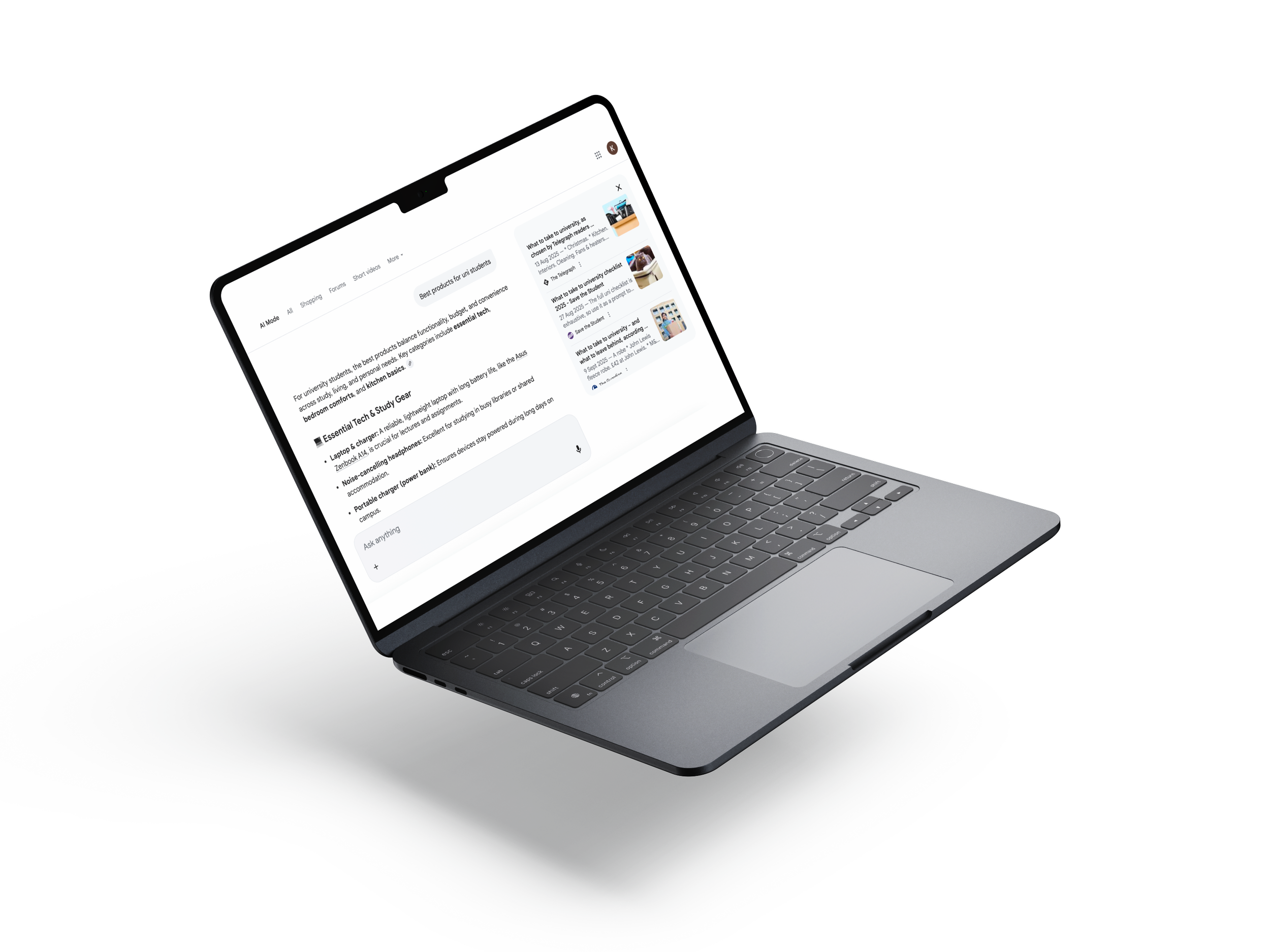
Visibility has never been more valuable
AI surfaces brands that show up consistently. If competitors are getting more coverage, AI will mention them more often. If you’re getting regular mentions, your brand becomes part of the “default answers.”
This is why product brands with steady PR are already seeing an uplift — not because one article went viral, but because those articles feed AI’s understanding of the market.
How brands can stay visible in an AI-led shopping world
Get consistent PR coverage — Aim for regular features, not one-off mentions. AI rewards frequency, trust and consistency.
Make sure your product info is clear and easy to understand — AI tools need simple, structured explanations.
Address real customer questions — What would someone ask ChatGPT about your product category? Create content or press-ready answers around those questions.
Share founder expertise — AI loves expert commentary. If you want your brand associated with certain topics, be vocal and visible.
Refresh your digital footprint regularly — Old data gets deprioritised. Keep your coverage, product descriptions, FAQs and messaging up to date.
The bottom line
In a world where generative search visibility determines what customers see before they even open Google, your brand’s online signals matter more than ever — and earned media is one of the strongest. PR and SEO need to work hand in hand, as AI algorithms rely on these signals.
Brands that adapt now will get more discoverability, recommendations and sales. Brands that ignore this shift risk being left out of the conversation entirely.
Want to stay visible to AI through earned media?
AI is here to stay, and earned media — press coverage, features and mentions — is key to being discovered online.
At PR Dispatch, we help eCommerce, product and retail brands show up in credible places.
👉 Watch our demo to learn more.